INCA Final Conference Kicks Off in Brussels with a Full Day of Key Findings
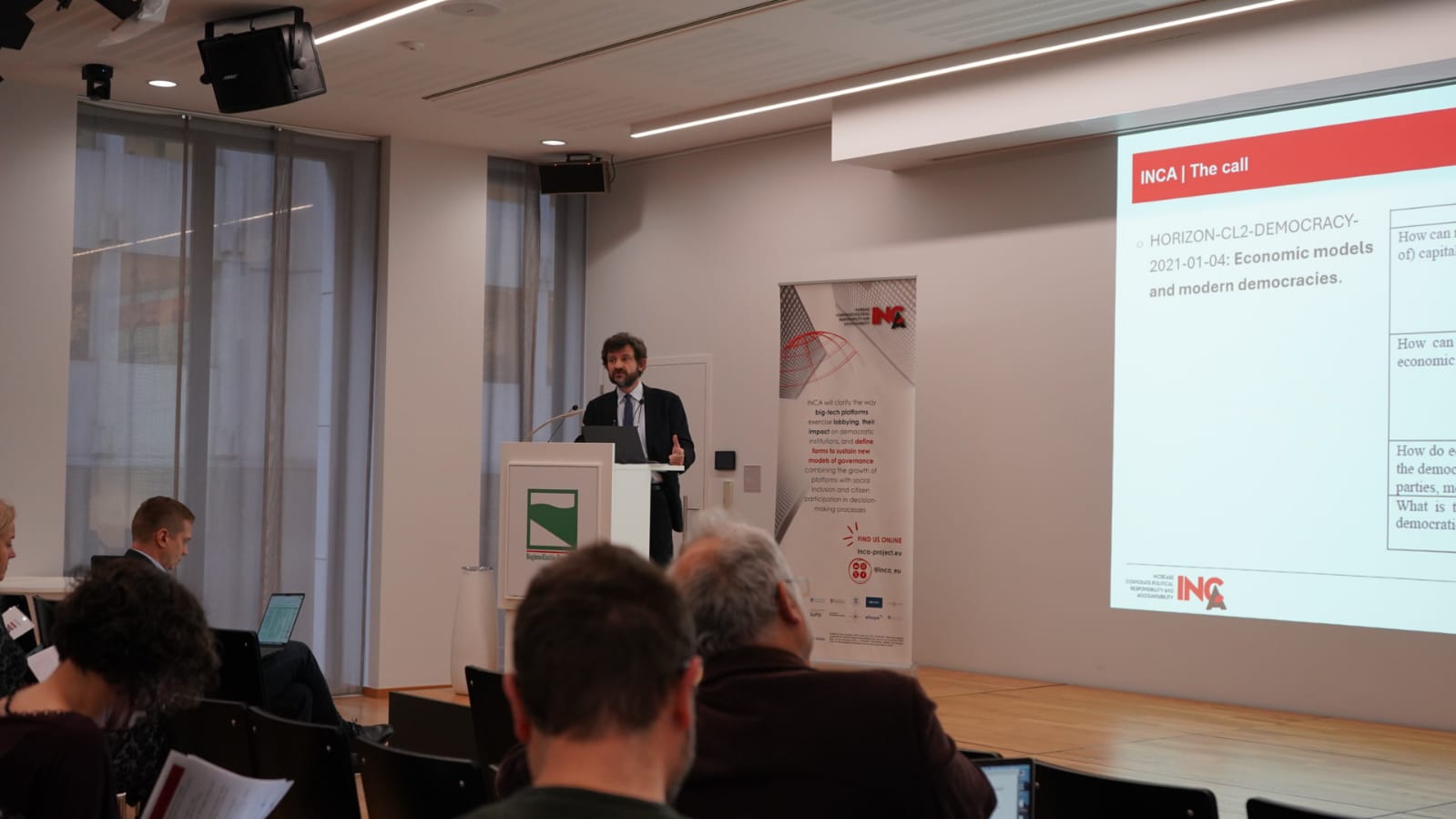
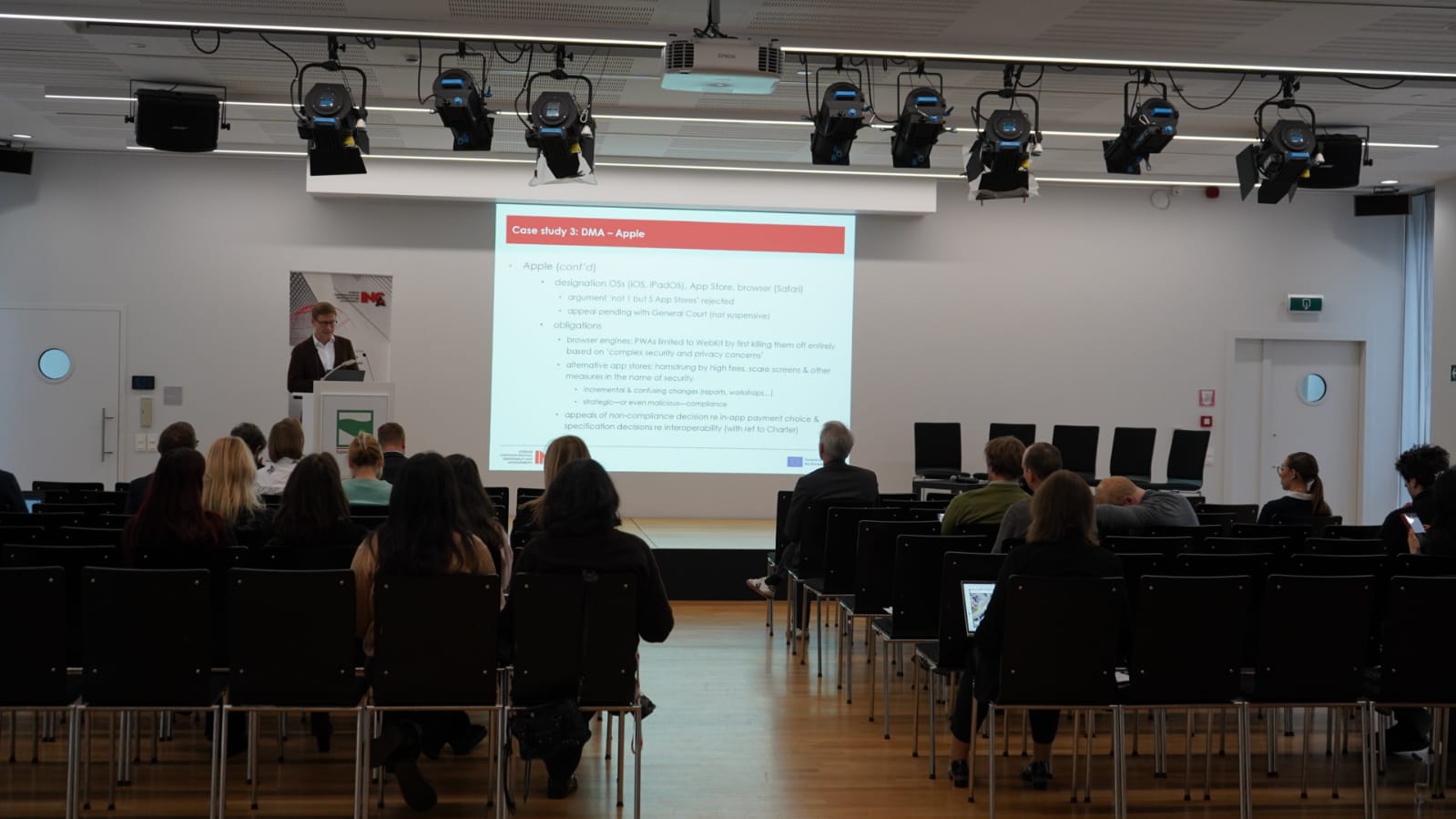
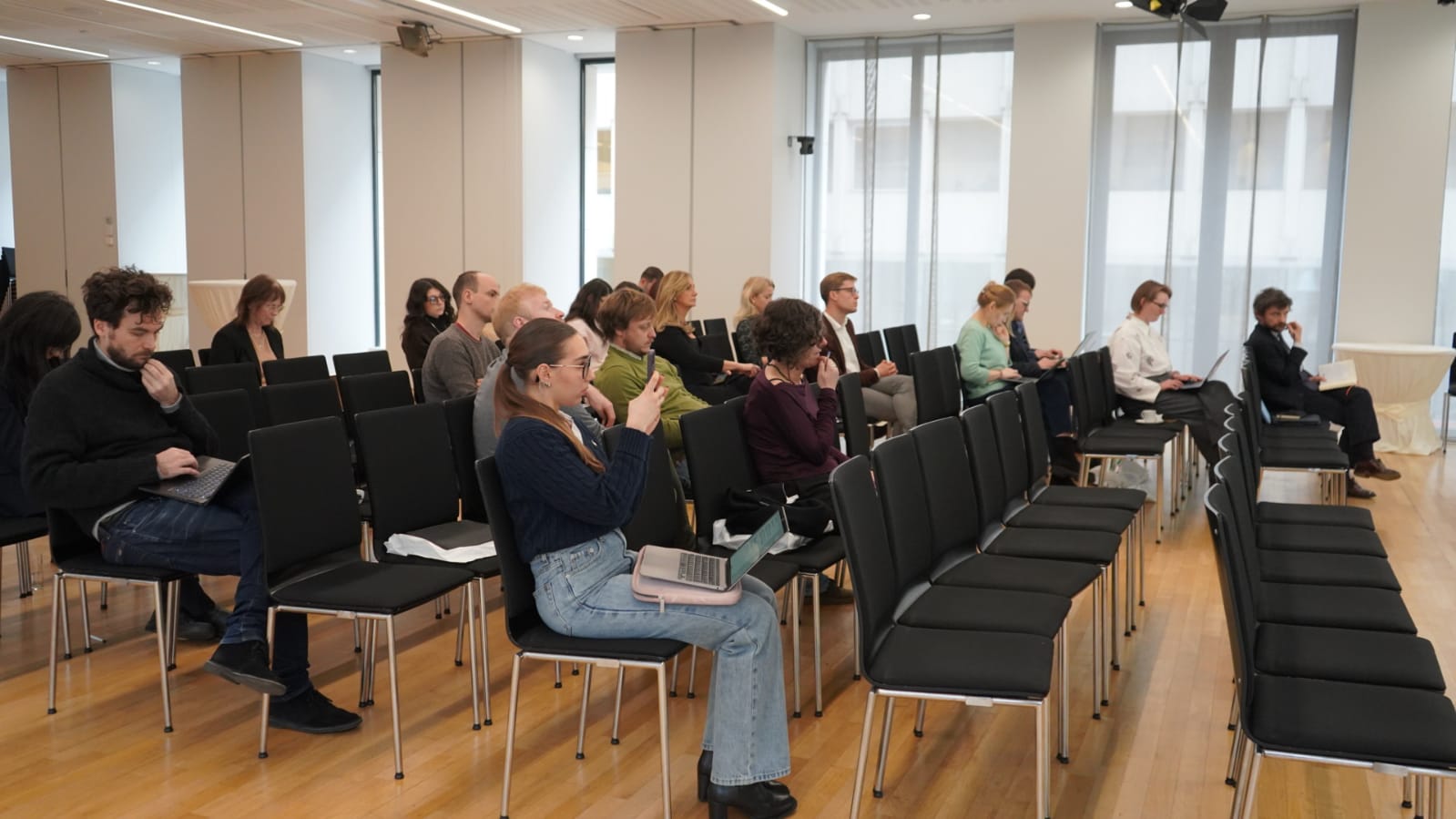
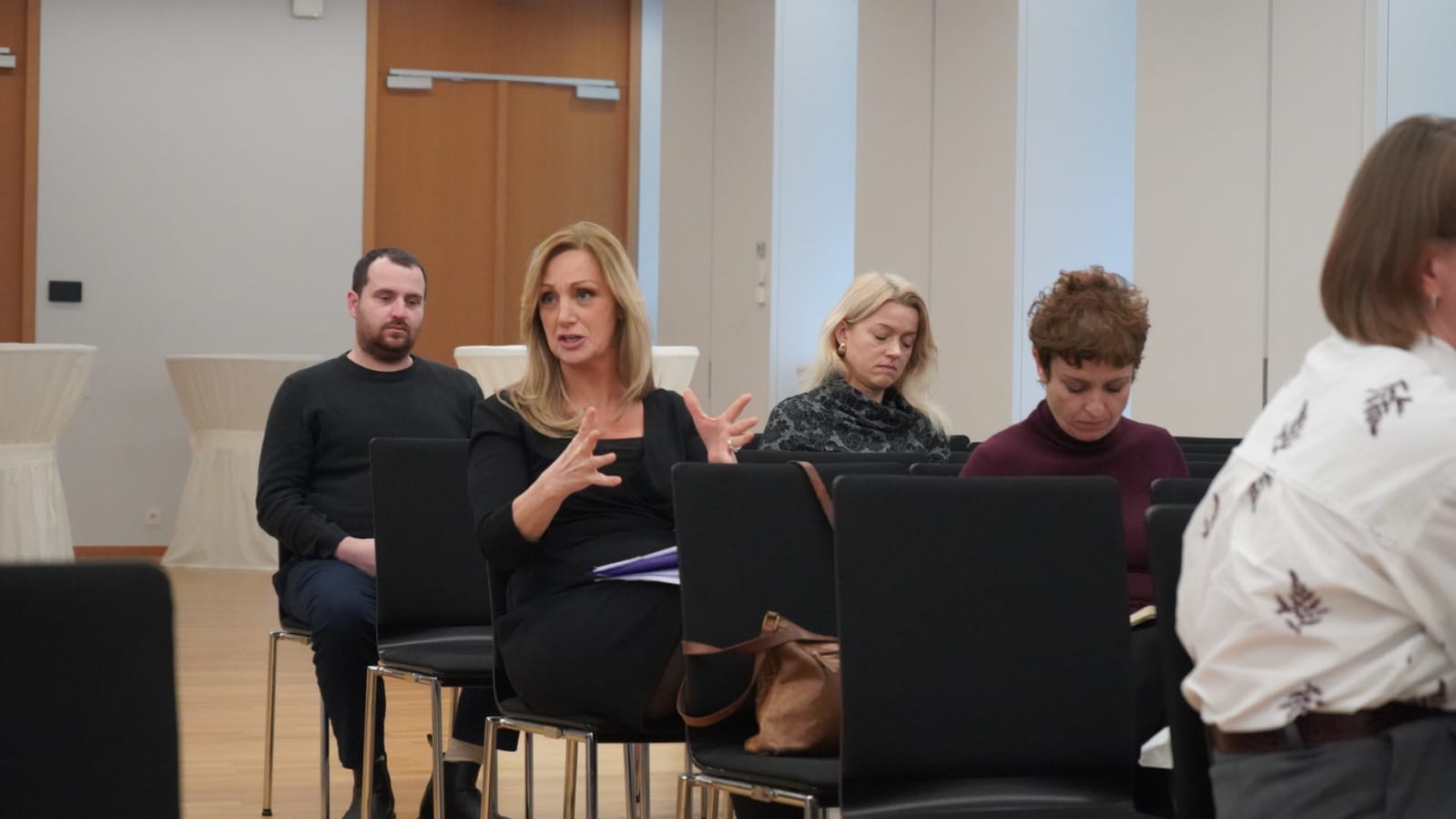
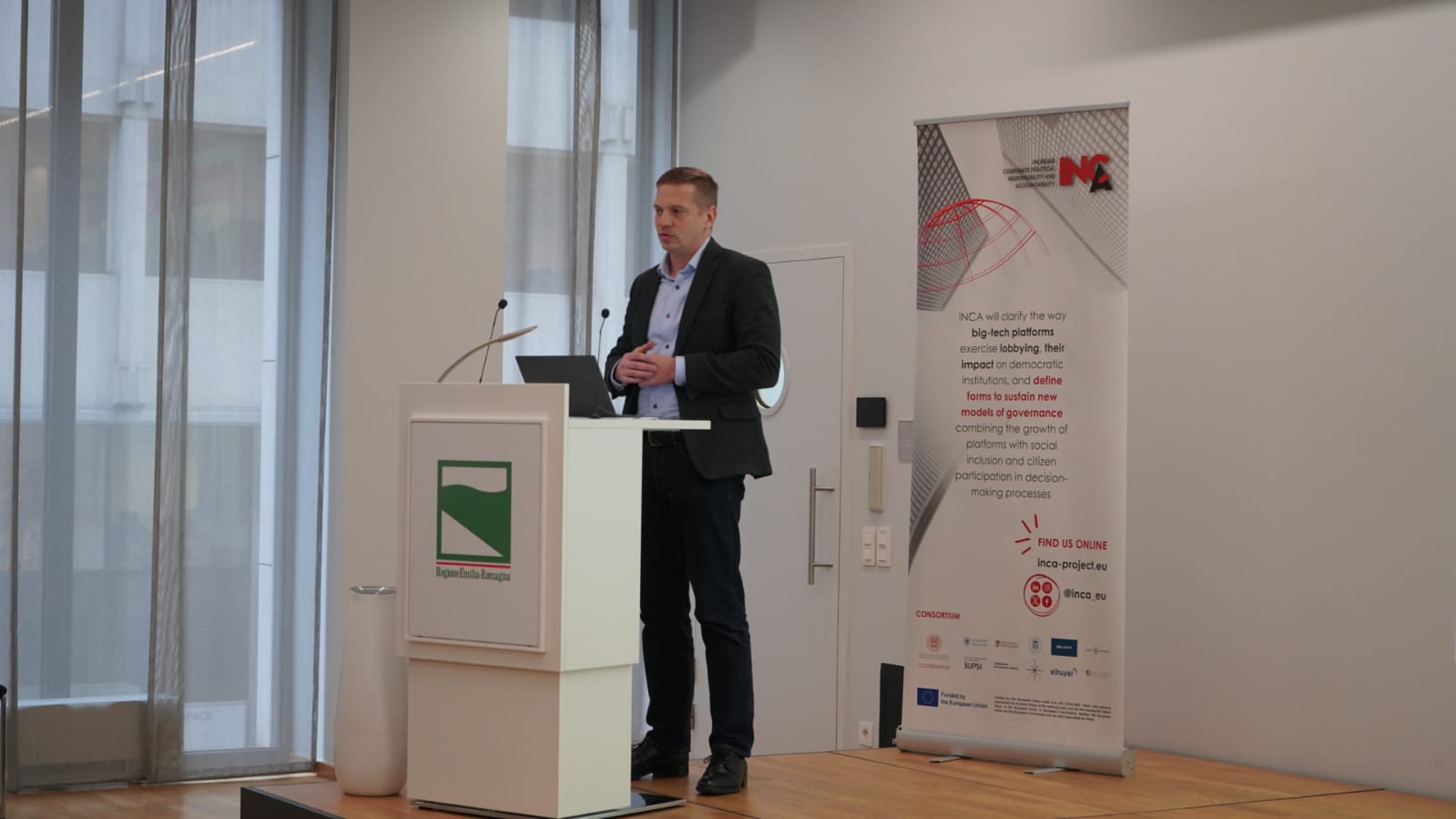
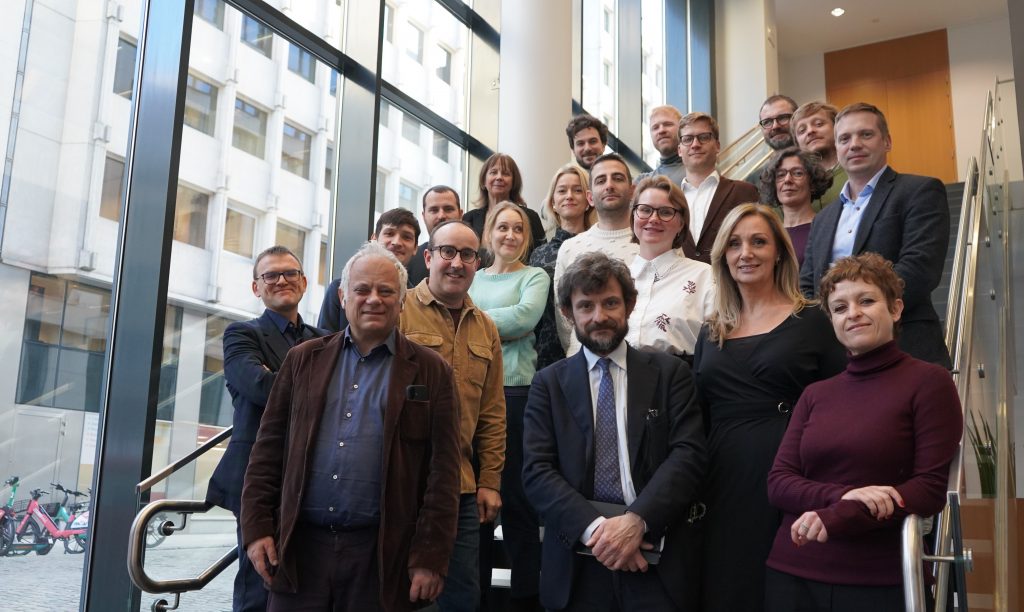
Today, January 21, the first day of the INCA Final Conference took place in Brussels, bringing together over 20 project researchers at the Emilia-Romagna Region Delegation.
Edoardo Mollona, the project coordinator, opened the conference by welcoming the audience and briefly outlining the project’s main objectives and scope for those joining the event beyond the INCA consortium.
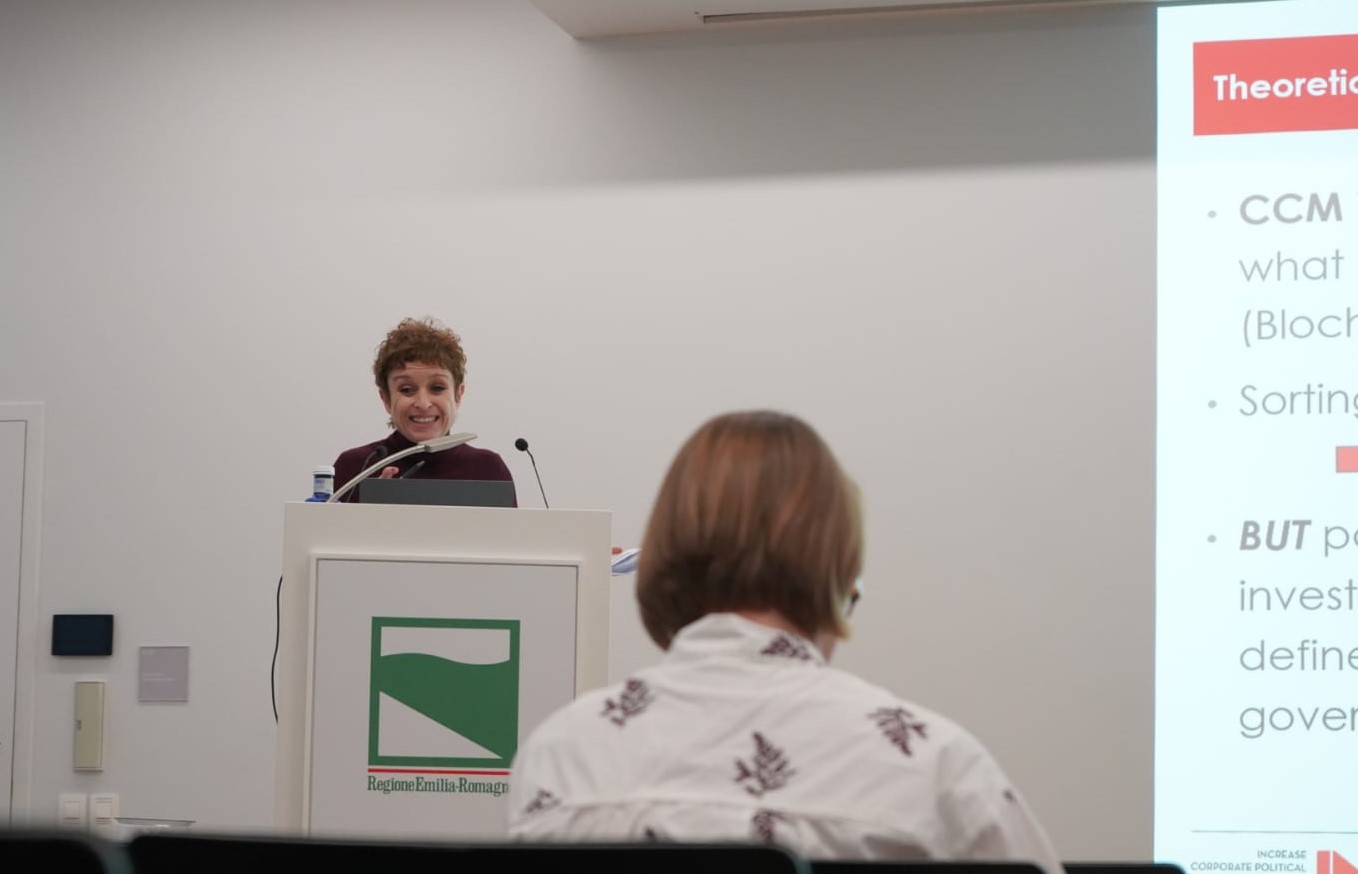
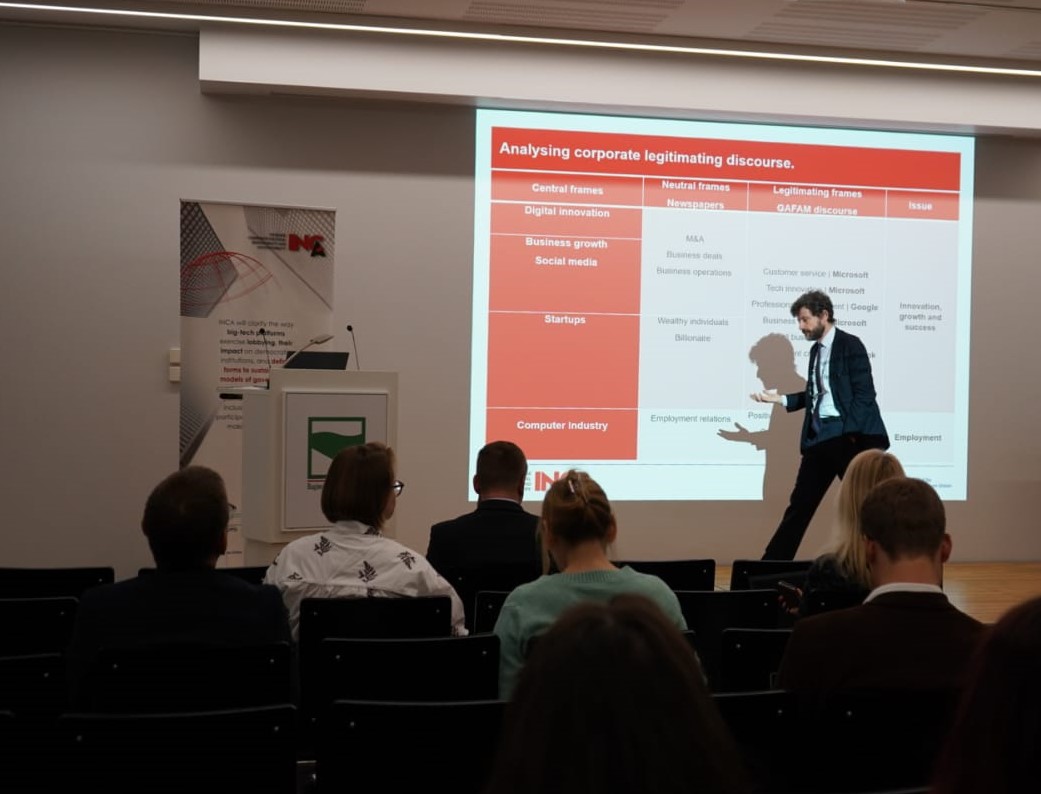
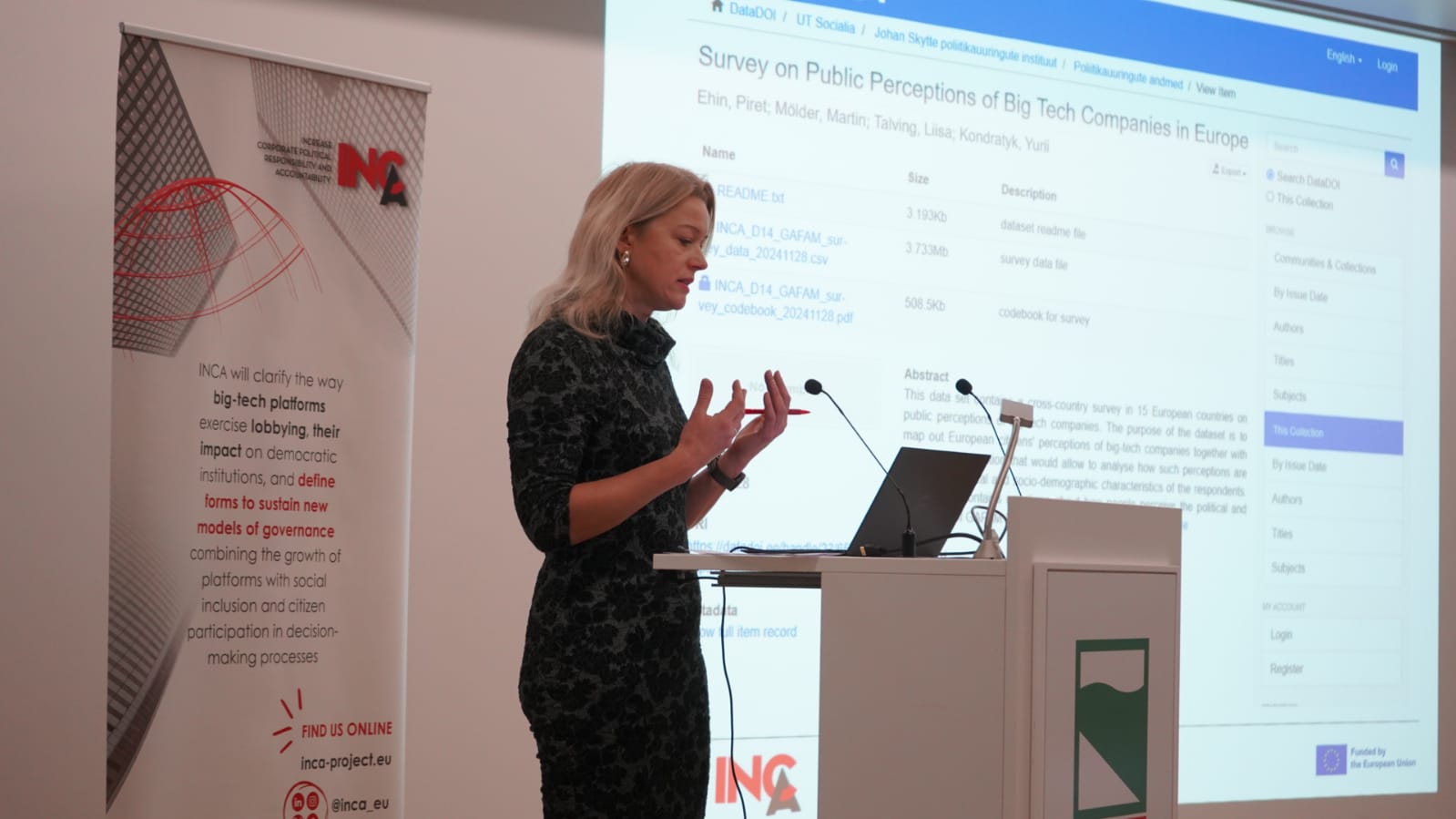
Following the welcome, the conference kicked off with presentations by INCA members. The morning focused on the cultural dimension of the project. First, the results of the European Citizens Survey—collecting public perceptions of Big Tech companies across 15 European countries—were presented. Then, the team shared the conclusions of a discourse analysis of European newspapers from 2007 to 2020, exploring the question: What do European media say when they talk about digital platforms?
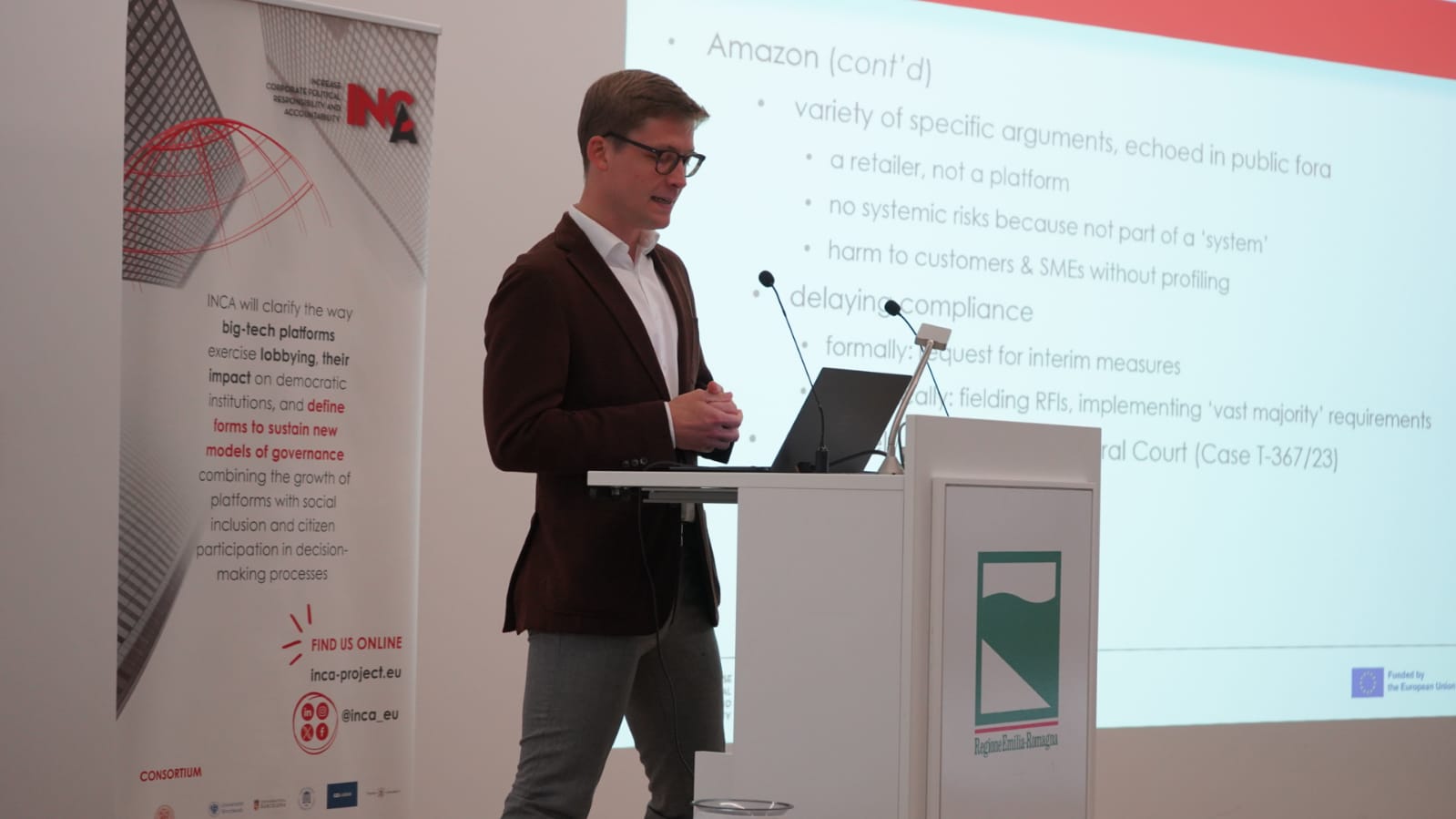
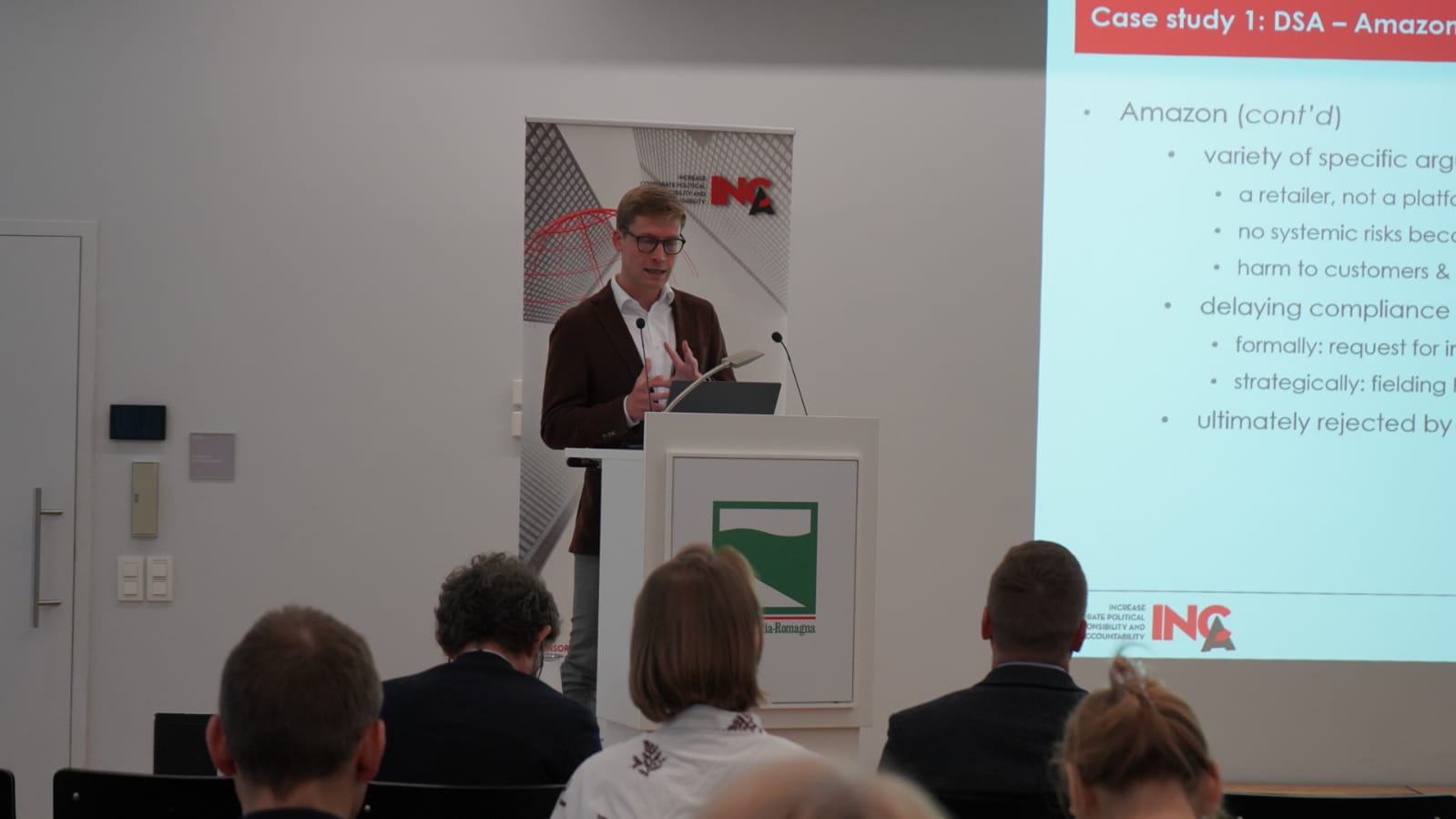
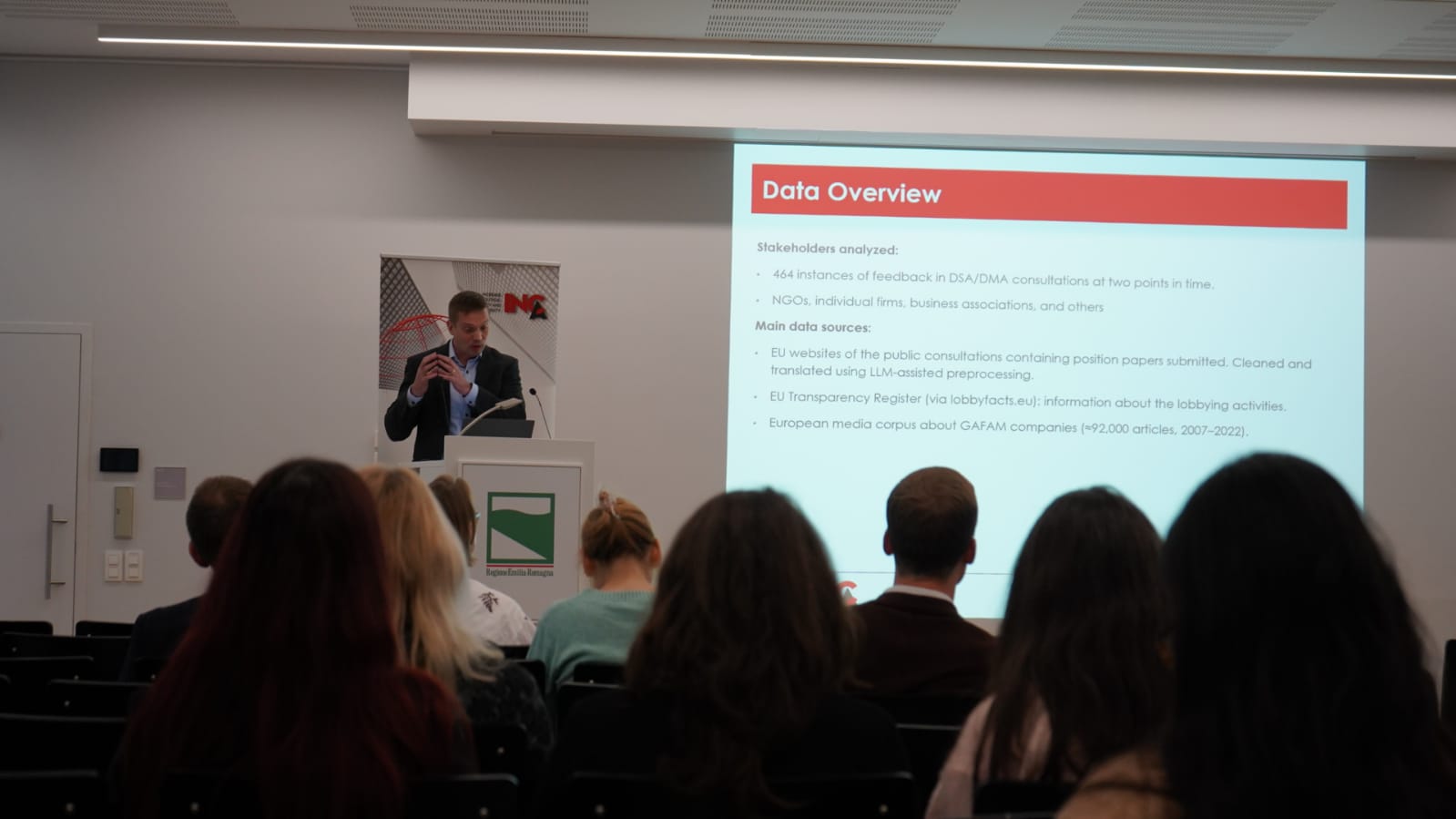
The second morning session examined the political influence of GAFAM. Presentations highlighted INCA’s findings on Big Tech lobbying and its role in shaping the implementation and interpretation of laws, including detailed analyses of the Digital Services Act (DSA) and the Digital Markets Act (DMA).
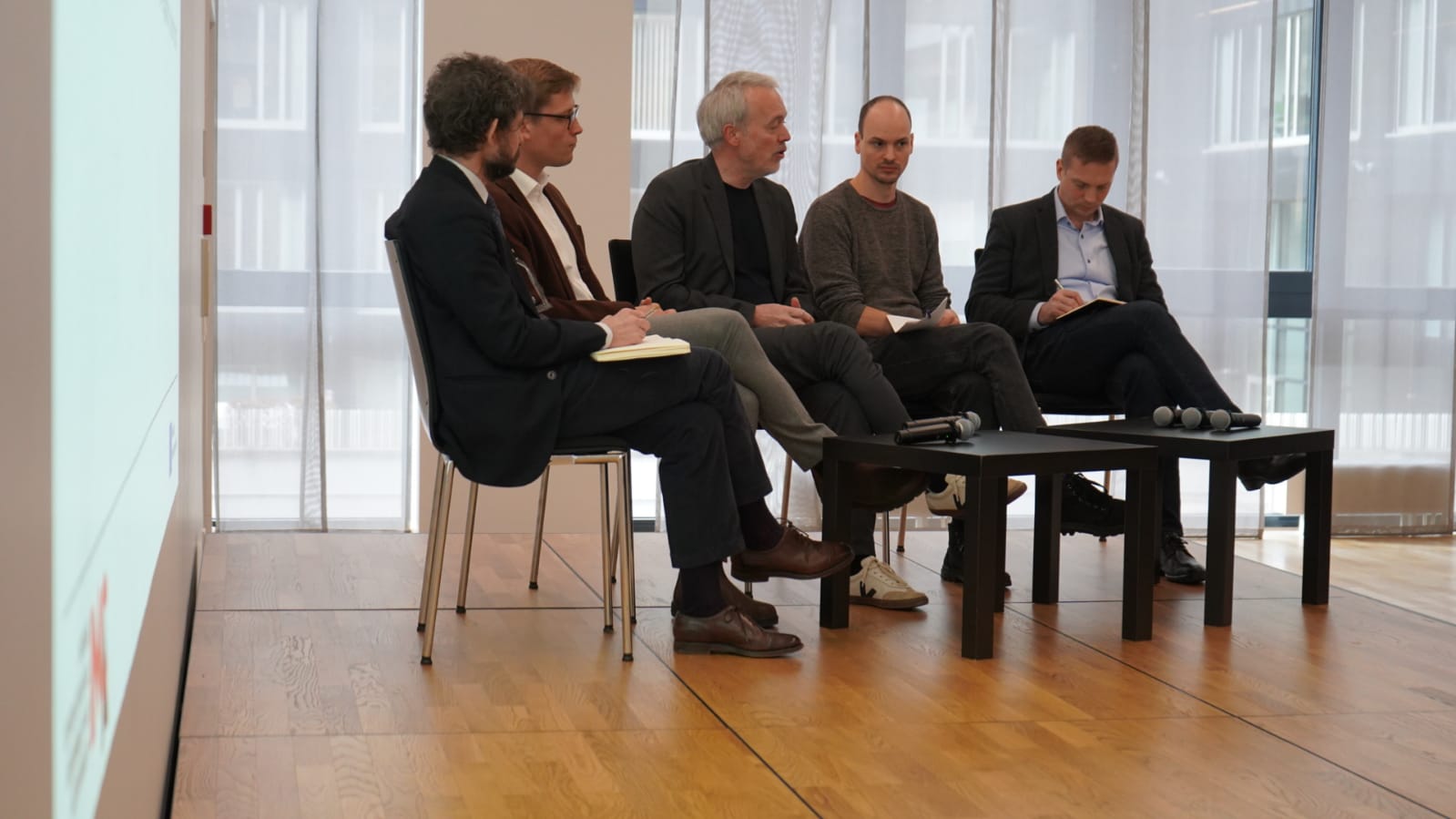
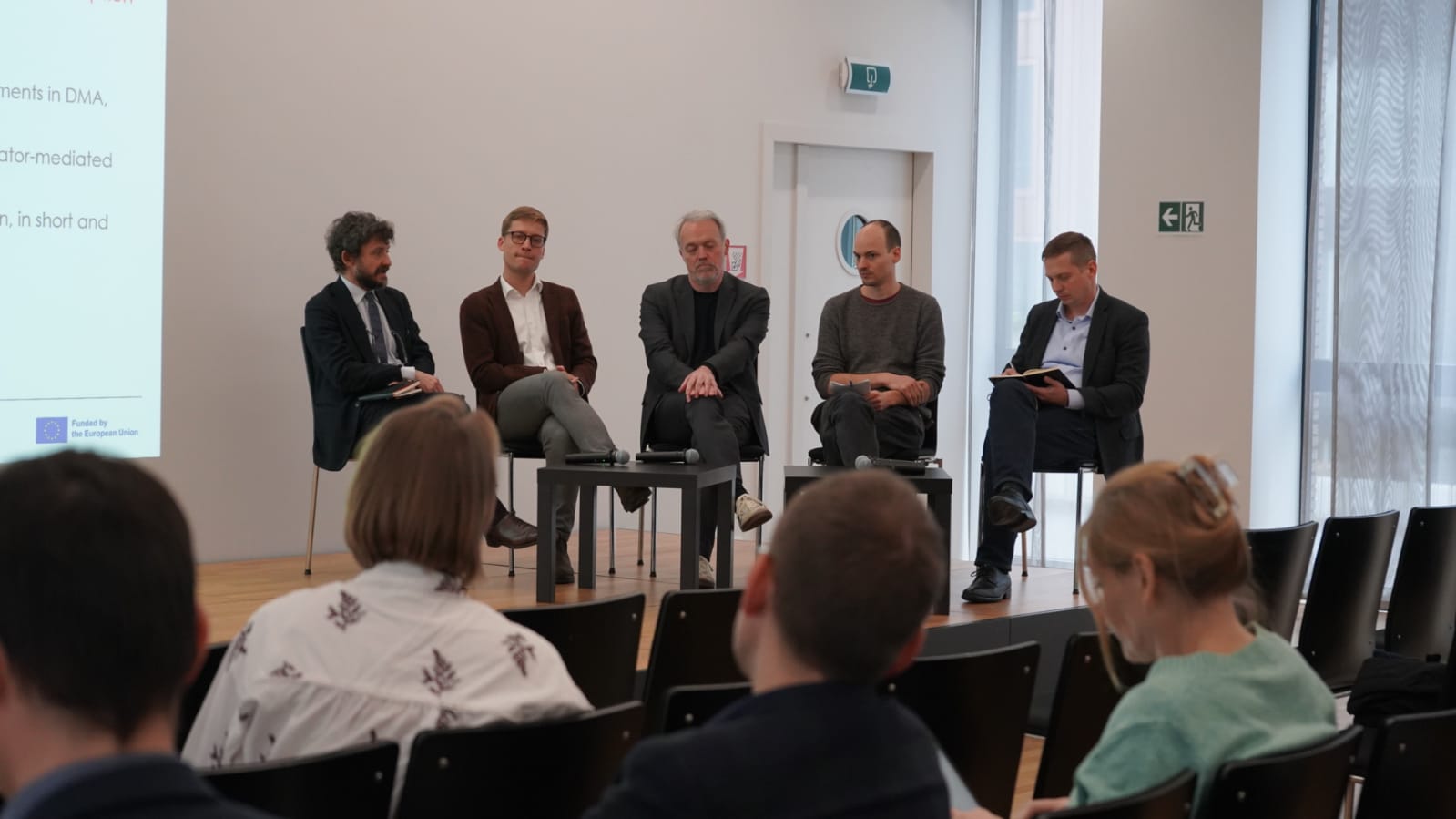
The morning concluded with a round-table discussion on policy briefs aimed at improving lobbying regulation and the effectiveness of the Transparency Register. Werner Stengg, Member of the Cabinet for Tech Sovereignty, Security and Democracy at the European Commission, and Bram Vranken from Corporate Europe Observatory shared their insights, resulting in a lively and enriching exchange.
Economic Insights and the Launch of the Big Tech Watch Think Tank
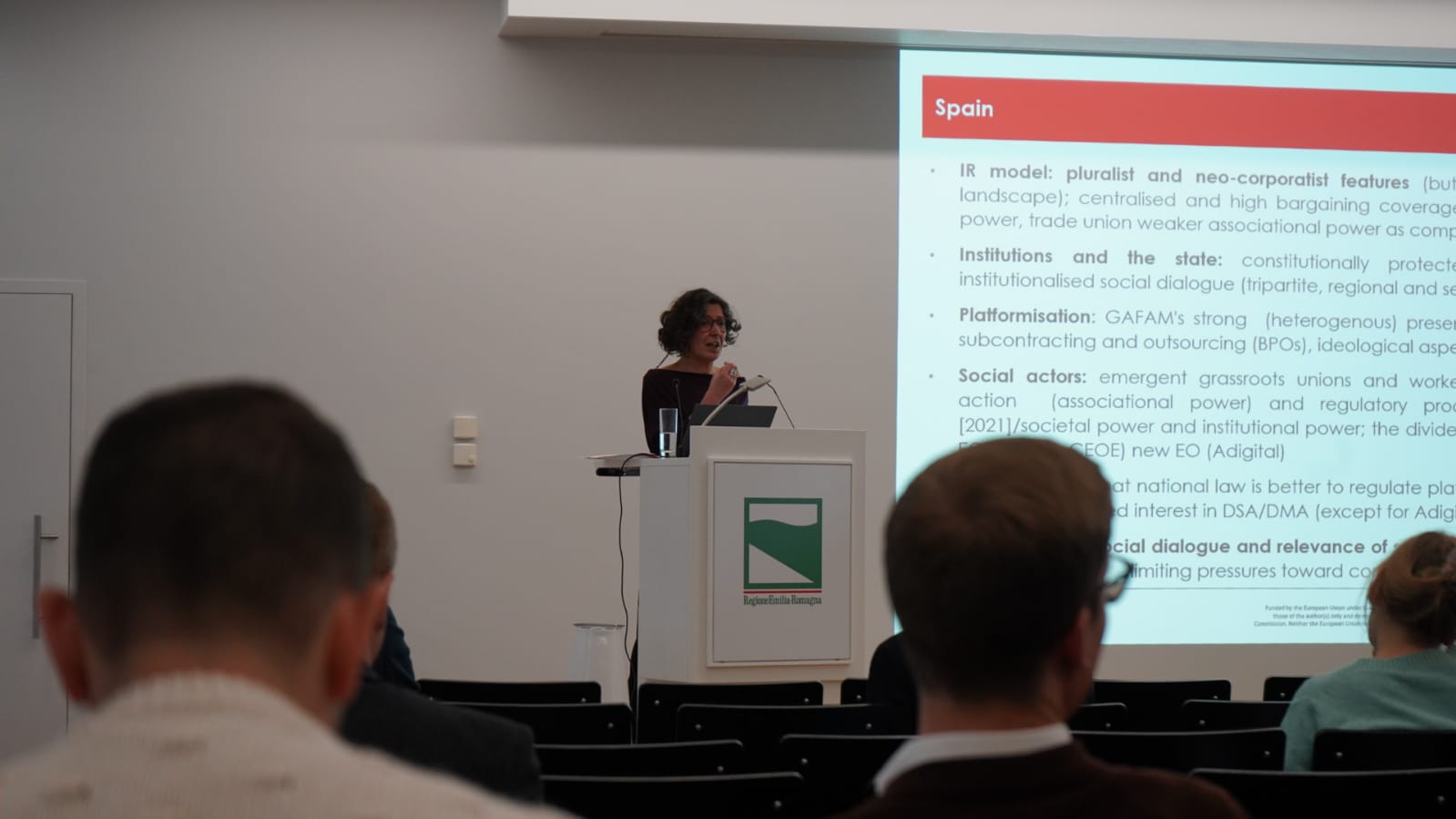
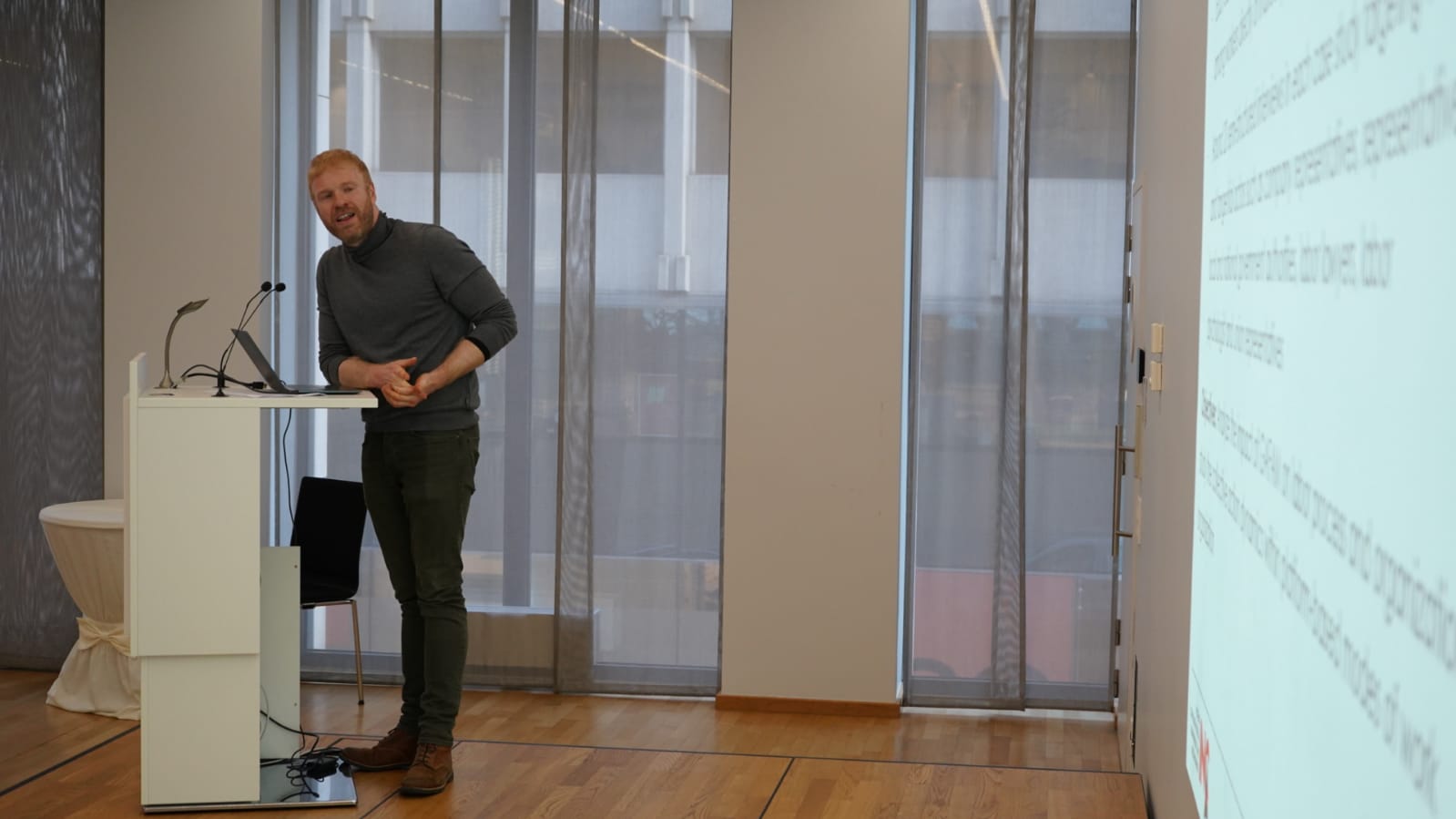
In the afternoon, the focus shifted to economic aspects. Discussions covered labour power resources, industrial relations, hidden platform governance, and challenges in regulating labour within GAFAM.
The day ended with the launch of the Big Tech Watch Think Tank, which will continue INCA’s research on the impact of major tech companies on democracy, the economy, and labour, while promoting a democratic, conscious, and sustainable technological transition.
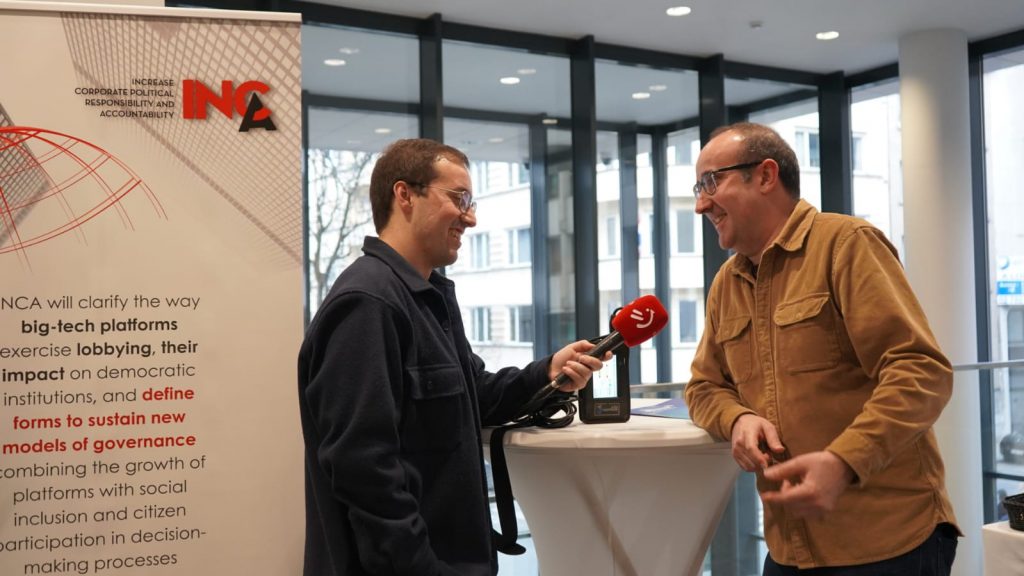
It was an intense and rewarding day, showcasing the results of the INCA project and energising the team. The conference even drew media attention, with a journalist joining to record an interview and highlight the project’s main findings— an encouraging sign of the wider interest and engagement that INCA’s work is generating.
And we are not done yet: tomorrow’s sessions will focus on alternatives and ways to improve platform organisations. Stay tuned for updates!